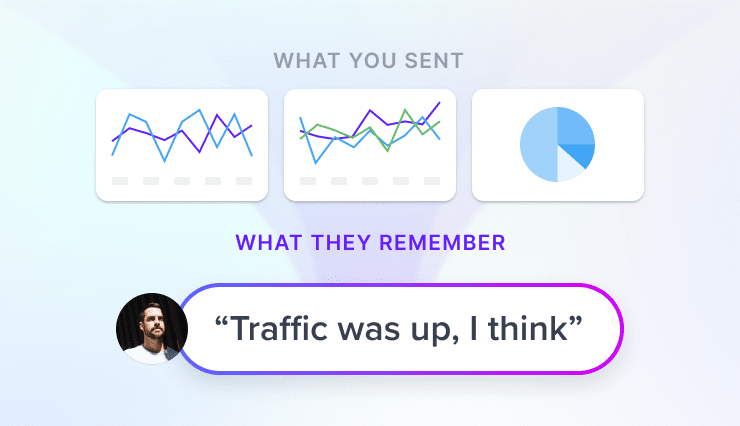
Buyers ask ChatGPT “best plumber near me” or “which CRM suits a small team” and get three or four names with a paragraph on each. Many never click through to a website. That means no impression in Search Console and no session in GA4, so you can’t see the win or the loss.
Someone is already asking “are we showing up in ChatGPT?” Jepto gives you a real answer, not a screenshot.
A wooden play kitchen holds up better than plastic for most 4 year olds. Gekko ToysNamed is often named for the mid-size sets, with Lego and Melissa & Doug on the same shortlist.

Ask AI the same question twice and you’ll get a different list. That’s why a single screenshot tells you very little, and why an “AI ranking” isn’t a number you can trust.
What holds steady is how often you’re named across many runs. Jepto runs your prompts on a schedule and tracks your named rate and cited rate over time, for each engine. You see the trend, not a lucky or unlucky answer.
 ChatGPT
 AI Overviews
 Gemini
Open ChatGPT and you’re the least representative buyer there is. It knows your chat history, your saved memories and where you are, so it leans toward the brands you’ve already asked about, including your own.
Jepto runs the same prompt in a clean session, with no history and no memory, from the country you choose, on a schedule. Creating a neutral baseline so that when your named rate moves, the engine moves, not your account.
Your ChatGPT
Signed in
From your last chats, I would start with Gekko ToysNamed again, same as last week.
 Jepto AI Visibility
Australia · Weekly
Jepto AI Visibility
Australia · Weekly
Open-ended wooden toys last longest. Gekko ToysNamed shows up for trains, with Lego on the shortlist.
Calling a model’s API is the cheap, easy way to track AI. But the API isn’t the ChatGPT your buyers use. It skips the web search some of the time, writes shorter answers, and often cites completely different sources, or none.
Jepto captures answers from the same interfaces people actually use. You get the full response, every source in the order it appeared, and the searches the engine ran before answering.
AI engines don’t agree with each other. They pull from different sources, cite in different volumes and recommend different brands. You can own Perplexity and be invisible in AI Overviews. Plenty of tools cap you at one to three engines and charge extra for the rest. With Jepto, every engine is available on every prompt, and you pay per answer.
The most-used AI assistant. Cites the most sources and shows the searches it ran to find them.
Sits above Google results on most commercial searches. Many local searches get a map pack instead.
Long answers with deep source lists, often leaning on Reddit, YouTube and forums.

Source-first answers, with the searches it ran shown alongside.
Often answers without linking anything, so being named matters more than being cited.

Short source lists, so every citation counts. Shows its searches too.

Track it where your buyers go to research and compare options.
Run your category questions everywhere, and niche ones only where they matter.
Every AI answer is built from sources. Jepto lists every domain and page the engines cited, with its position, share of citations, the engines that used it, and whether you own it.
When a Reddit thread, a directory listing or a competitor’s “best of” page is telling your story, you know where to spend the next hour. Update it, get listed on it, or publish something better.
Every domain an assistant cited.
| Domain | Control | Citations | Share | Platforms |
|---|---|---|---|---|
| Gekko Toys gekkotoys.com | Owned | 45 | 24.6% |
|
| Melissa & Doug melissaanddoug.com | Earned | 15 | 8.2% |
|
| Lego lego.com | Earned | 10 | 5.5% |
|
Before ChatGPT, Perplexity and Copilot write an answer, they search the web, often several times per prompt. A page has to match those searches to be retrieved at all.
Jepto shows every search, which engines ran it, whether one of your pages was retrieved, and your Google Search Console position for the same query. It’s a content brief written by the engine itself, and you can track any of those searches as a new prompt.
Fan-out queries from ChatGPT, Perplexity and Copilot, with Search Console position when Jepto has it.
| Search run | Searched by | Runs | Your page retrieved | Search Console |
|---|---|---|---|---|
| Gekko Toys sensory toys for preschoolers |
|
1 | No | — |
| Gekko Toys Gekko Toys vs Lego gift for a 5 year old |
|
2 | Yes |  12 12 |
| Gekko Toys wooden blocks brands Australia |
|
1 | No | 28 |
Paste in a list of buyer questions covering discovery, comparison, pricing and brand searches. Pick the engines and country for each one, then run them daily or weekly. Jepto suggests new prompts based on fan-out searches, competitor gaps and the claims it finds in answers.
A prompt is a question your buyers actually ask - add one, or several that share the same settings. We run each on a schedule from the country you choose, capture each engine's answer, and record every source it cited.
Each selected platform is queried in a browser as a normal user would.
ChatGPTSearch queries · US states3 AI Credits per runGoogle AI Overviews2 AI Credits per runGoogle AI Mode2 AI Credits per runPerplexitySearch queries · US states2 AI Credits per runGeminiUS states2 AI Credits per runMicrosoft CopilotUS states2 AI Credits per runClaude4 AI Credits per runOpen the latest answer from every engine, with your brand and citations highlighted, the sources in order, and the other brands it named.
We don’t give you a sentiment score. AI rarely says anything negative, so the real risk is when it’s wrong. Jepto pulls out repeated claims about your pricing, locations, services and integrations. It flags the ones that are outdated, incomplete or credited to the wrong brand, along with the source behind them.
ChatGPT · Australia · Weekly run
Quiet indoor toys for a 2 year old: activity boards and chunky puzzles. Gekko ToysNamed shows up for the boards, with Lego and Melissa & Doug named for blocks.
No competitor list to maintain. Any brand named in a tracked answer shows up automatically, including the ones you never thought to check. See share of voice, named vs cited, strength on each engine, and the prompts where they beat you.
Brands named in tracked answers for Gekko Toys. No competitor list to maintain.
| Brand | Share of voice | Named | Own site cited | Avg. position | Prompts led | Platforms |
|---|---|---|---|---|---|---|
|
Gekko Toysgekkotoys.com
|
100% | 60% | 47% | Never named | 2 |
|
|
|
16.7% | 10% | 0% | Never named | 1 |
|
|
|
0% | 0% | 0% | Never named | 0 |
|
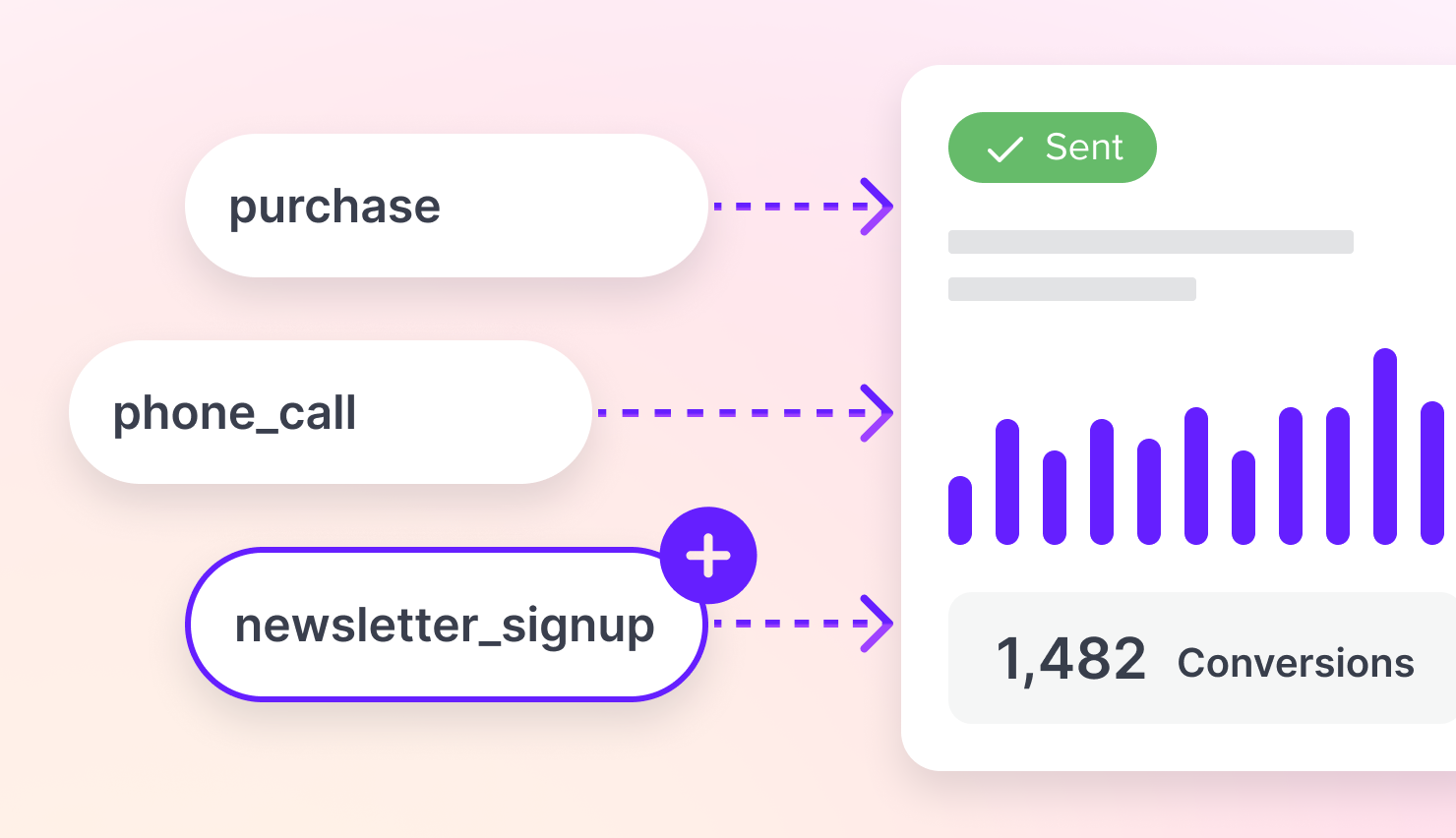
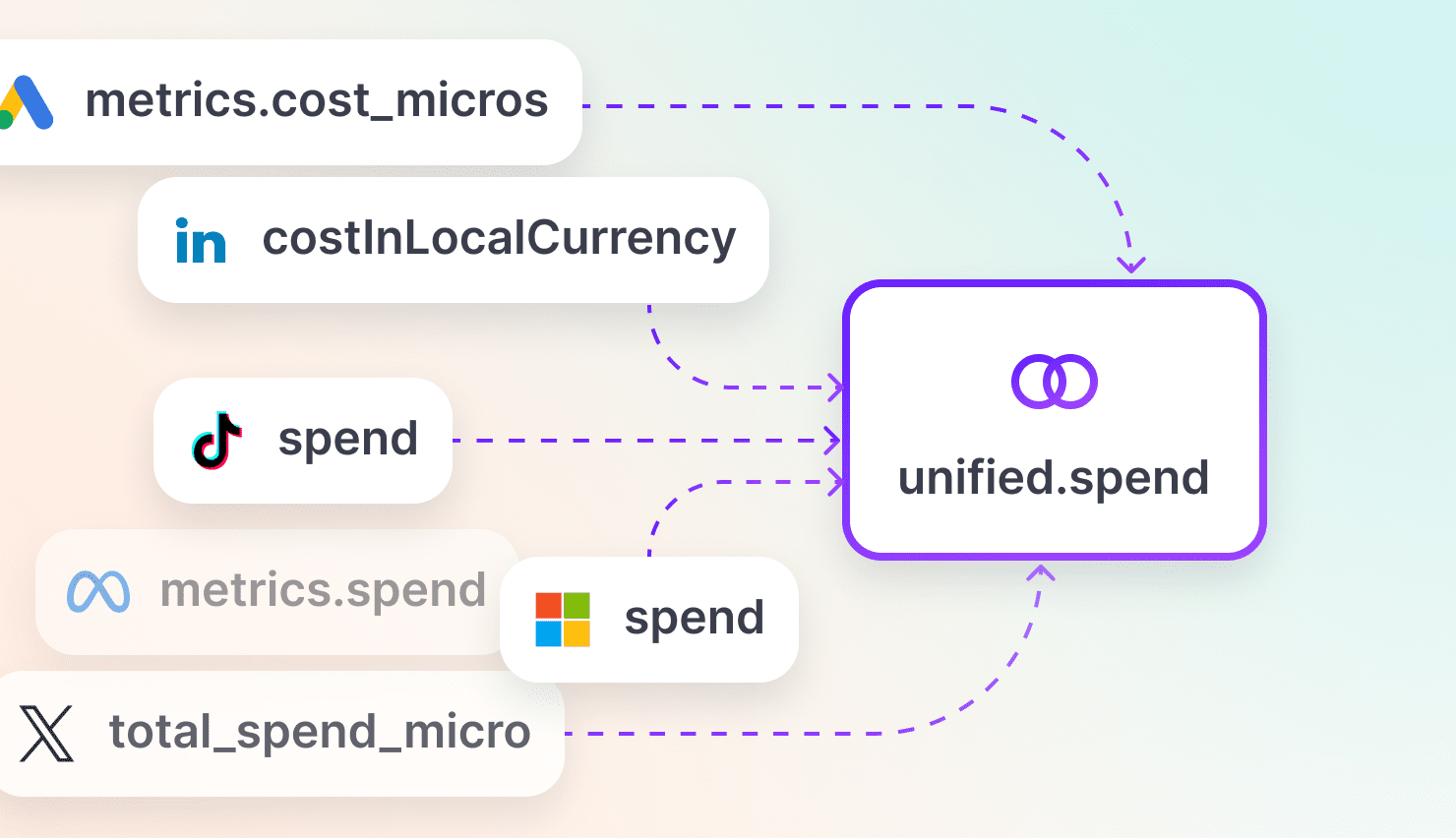
AI Visibility isn’t a dashboard you have to screenshot. Every prompt, answer, source, citation, fan-out search and competitor lands in your Jepto data model, next to your GA4, Search Console and ad data. No export, connector or API upgrade needed.
| Brand | Share | |
|---|---|---|
|
Gekko Toys
|
62% | |
|
|
16.7% | |
|
|
8.3% |
Being named in an AI answer is the leading indicator. The sessions, signups and sales that follow are the proof. Most AI visibility tools only ever show you the first, because the second lives in a tool they can’t see.
Your GA4 and Search Console data is already in Jepto, and your AI visibility data now sits beside it. Chart named rate against referral sessions from ChatGPT, Perplexity and Gemini over the same dates, in the same report, for the same brand. When visibility moves, you can see what moved with it.
Most AI visibility tools sell fixed bundles of 25 to 100 prompts, often limited to a few engines, with extra engines, seats or brands sold as add-ons. Jepto uses the same AI Credits for each response, similar to its other features. You select the engines and schedule per prompt, paying only for what you actually use.
Let your prompts run on a schedule and get told when something meaningful moves. Alerts land in your Jepto Insights inbox, next to anomalies and the rest of your work.
A forum, review site or competitor page starts getting cited. See the domain, the answers it appeared in and the engines that used it.
AI starts saying something new, or something stops being true. See the claim, the prompt and the source behind it.
A competitor appears next to you for the first time. See who, on which engines, for which prompts.
It tracks what AI answer engines tell buyers about you, and where they got it from. Jepto runs the questions your buyers ask across ChatGPT, Google AI Overviews, Google AI Mode, Perplexity, Gemini, Microsoft Copilot and Claude. It then shows how often you’re named, which of your pages are cited, who else is recommended, and which sources each answer was built from.
It suits businesses and in-house marketing teams tracking their own brand, and agencies tracking many brands.
Two reasons: personalization and chance. Your own ChatGPT uses your chat history, saved memories and location, so it isn’t answering the way it would for a new buyer. And AI gives a different answer every time, so one answer is a sample of one. Jepto runs your prompts in clean sessions, from the country you choose, on a schedule. You get a rate you can track instead of a screenshot.
By measuring how often, not where. SparkToro found there’s less than a 1 in 100 chance that ChatGPT or Google’s AI returns the same list of brands twice. How often a brand appears across many runs is far more stable. Jepto reports your named rate and cited rate across every scheduled run, per engine and over time, rather than a single “AI ranking”.
There isn’t a single real answer. Every signed-in user sees something slightly different. What you can measure reliably is a neutral baseline: the same prompt, from the same country, in a clean session with no history or memory, run again and again. That baseline shows whether the engine itself is moving toward or away from you, without anyone’s personal history mixed in.
Because the API isn’t the product your buyers use. API responses are shorter, don’t always search the web, and often cite different sources or none. In independent testing across 1,000 prompts, ChatGPT API and interface answers shared only 24% of the brands they named and 4% of the sources they cited.
Jepto captures answers from the same interfaces people use, including the full text, every source in order, and the searches the engine ran.
Seven engines, all available on every prompt, with no add-ons:
Named means the answer mentions you. Cited means it links a page you own. An engine can recommend you without linking your site, or use your pages without saying your name, so Jepto tracks both separately. Add every spelling of your brand and every domain you own in Settings so nothing is missed.
They’re the web searches an AI engine runs before it writes an answer. ChatGPT, Perplexity and Copilot often run several per prompt. A page has to match those searches to be retrieved and cited. Jepto lists each one with the engines that ran it, whether one of your pages was retrieved, and your Search Console position for the same query.
Yes, from any country. Each prompt runs from the country you pick, and ChatGPT, Perplexity, Gemini and Copilot can also target a US state. AI answers and sources change by market, so measure where your buyers actually are.
You pay per answer in AI Credits, the same credits as Data Chat. Each answer costs 2 credits on Google AI Overviews, Google AI Mode, Perplexity, Gemini and Copilot, 3 on ChatGPT and 4 on Claude. There are no prompt bundles or per-engine add-ons.
For example, 20 prompts run weekly on ChatGPT, Google AI Overviews and Perplexity uses about 600 credits a month. Plans include monthly AI Credits and you can add more at any time. Use the credit calculator or see pricing.
Yes. Every prompt, answer, source, citation, fan-out query and competitor is stored in your Jepto data model alongside your other marketing data. Build it into Jepto reports, ask Data Chat about it, or query it from Claude, ChatGPT, Gemini or Cursor through the Jepto MCP server.
Yes. Each brand in Jepto has its own brand names, domains, prompts and competitors. Agencies and multi-brand businesses can track every brand separately and compare them in one place.
No, it works alongside it. Rank tracking measures blue links. AI Visibility measures the answer: how often you’re named and cited, what AI says about you, and which pages shaped it. Fan-out queries show your Search Console position next to each search the engine ran, so you can see where the two overlap.
Start asking your data smarter questions today. Connect your first data source in minutes.